


Modern Slavery & Human Trafficking Policy
This statement applies to Natta Building Company, Natta Plant, CISTC, and the Surrey Training Group, referred to in this statement as ‘the Company’. The information included in the statement refers to the financial year 2025-2026.
Purpose and Commitment
The company is committed to conducting all business ethically and responsibly, in accordance with the Modern Slavery Act 2015. We recognise that modern slavery, including forced labour, servitude, bonded labour, human trafficking and exploitation, can occur in every sector, including construction.
Our commitment extends across all tiers of our supply chain. As a construction supplier, we are dedicated to demonstrating vigilance, transparency and accountability by preventing, identifying, managing and mitigating risks of modern slavery throughout our operations.
Definitions
The Company considers that modern slavery encompasses:
- Human trafficking – recruitment or movement of people through coercion or deception.
- Forced or compulsory labour – work performed involuntarily under mental or physical threat or penalty.
- Debt bondage – being forced to work to repay a debt.
- Child labour – work that deprives children of their childhood or education.
- Servitude and exploitation – being physically constrained, control over a person’s freedom, movement or earnings.
- Being owned or controlled by an employer – through mental or physical abuse or the threat of abuse.
- Being dehumanised – treated as a commodity, or being bought or sold as property
Content of the Policy and Statement
The following items will be included in the statement.
- The structure of our organisation, the business operations of the organisation and the supply chains.
- Our policies in relation to modern slavery and human trafficking.
- The due diligence processes that we carry out to ensure that there is no slavery or human trafficking in our business and supply chains.
- Identification of any parts of our business and supply chains where there is a risk of slavery or human trafficking taking place and the steps that we have taken to assess and manage the risk.
- An assessment of the effectiveness of the measures that we have taken to stop slavery and human trafficking taking place, and the way that we assess and manage the risks that are identified.
- A statement that training about slavery and human trafficking is available to all employees.
Organisational Structure and Supply Chain
Natta operates nationally within the construction, civil engineering, training and plant hire sectors. Our supply chain includes labour agencies, subcontractors, material suppliers, and service providers across the UK and, occasionally, internationally.
Governance and Accountability
- The Senior Management Team (SMT) holds ultimate accountability for ensuring compliance with the Modern Slavery Act 2015.
- The Senior Management Team (SMT) oversees policy implementation, supplier engagement, and corrective action processes.
- All departmental leads are responsible for embedding due diligence and vigilance within procurement, HR, and project delivery activities.
- A Modern Slavery Compliance Officer will coordinate audits, reporting and training across the business.
Policy Implementation and Due Diligence
To ensure a robust approach, Natta will:
- Conduct supplier due diligence before onboarding, assessing modern slavery risk through PQQ questionnaires, and independent verification checks.
- Require all suppliers and subcontractors to confirm compliance with the Modern Slavery Act 2015 and demonstrate that their own supply chains adopt similar standards.
- Use contractual clauses to enforce the right to audit, terminate or suspend suppliers where breaches are identified.
- Monitor and audit high-risk categories, including agency labour, imported materials, and subcontracted services.
- Carrying out regular audits to ensure that all our employees are paid at least the National Minimum Wage.
- Require right-to-work verification for all workers and audit labour agencies for compliance with the Employment Agencies Act 1973 and Immigration, Asylum and Nationality Act 2006.
Prevention, Identification and Mitigation
We apply a Prevent–Identify–Manage–Mitigate approach:
- Prevent: Design procurement, recruitment and onboarding processes to exclude unethical suppliers and labour practices.
- Identify: Use supply chain mapping, worker interviews and anonymous feedback channels to detect potential risks.
- Manage: Take prompt corrective action, including supplier development plans or contract suspension.
- Mitigate: Collaborate with clients, peers and NGOs to share intelligence and drive sector-wide improvements.
Training and Awareness
- All employees complete mandatory Modern Slavery Awareness Training annually.
- Procurement, site management and HR teams receive enhanced training to recognise signs of exploitation and respond appropriately.
- Toolbox talks, posters and digital communications reinforce awareness at site level.
Whistle Blowing and Reporting
- Concerns can be raised confidentially through the HR10 – Whistleblowing-Public Interest Policy or via the Modern Slavery Reporting Line.
- Reports are investigated and escalated to the SMT where necessary.
- Natta guarantees no retaliation against individuals who raise concerns in good faith.
Performance Monitoring
To measure progress, Natta will annually report on:
1. Number of supplier audits completed.
2. Identified risks and corrective actions.
3. Training completion rates.
4. Engagement with Supply Chain Sustainability School benchmarking.
Continuous Improvement
We will review this policy annually and update our policy in line with legal and industry developments.
Collaboration with Tier 1 contractors, regulators, and professional bodies will inform best practice in eradicating modern slavery from our industry.
An annual Modern Slavery Statement will be published on our website in accordance with Section 54 of the Modern Slavery Act 2015.
Modern Slavery and Human Trafficking Statement
This statement is made in conformance with Section 54 of the Modern Slavery Act 2015 and outlines the steps the company has taken to prevent, identify and mitigate the risks of slavery and human trafficking within its operations and supply chains. Natta’s Code of Conduct prohibits all forms of modern slavery and reinforces our commitment to ethical, transparent and responsible business practices.
Natta operates nationally across the construction, civil engineering and training sectors, employing over 350 people. Our success depends on strong partnerships with our supply chain, which includes more than 1,000 suppliers across the UK and, on occasion, internationally. We recognise the potential risks that exist within extended construction supply chains and are fully committed to working collaboratively with Tier 1 contractors, partners and the wider industry to eliminate all forms of exploitation.
We have a Prevent – Identify – Manage – Mitigate approach to forced labour, bonded or involuntary work, child labour and human trafficking. Our policies and practices are designed to ensure that these abuses are neither present nor tolerated in any part of our business or supply chain. Natta applies a proactive approach to due diligence, supported by supplier prequalification and regular risk-based reviews of labour agencies, subcontractors and material suppliers.
All Natta employees share the responsibility to comply with this policy and uphold these standards. Staff are trained to identify potential signs of modern slavery and to report concerns through our confidential whistleblowing procedure. Managers are accountable for ensuring that any issues raised are investigated promptly and appropriate corrective actions are taken.
Our recruitment and resourcing practices are fair, transparent and compliant with UK legislation. All workers’ rights to work are verified at onboarding and again at their first site induction. We require our suppliers to conduct equivalent checks and to cascade these standards throughout their own supply chains. This expectation is built into our commercial agreements, which include the right to audit, suspend or terminate relationships where breaches are identified. We will ensure compliance through management meetings, site visits, and internal and external audits.
Natta’s approach to combating modern slavery is integrated into our broader sustainability and corporate responsibility strategy. We work in alignment with the Supply Chain Sustainability School framework to improve awareness, share best practices and benchmark our progress against industry standards. This includes collaboration with clients and Tier 1 contractors to strengthen responsible sourcing, labour transparency and ethical procurement.
Oversight of this policy and our Modern Slavery Action Plan rests with the Senior Management Team, who ensure compliance with all relevant legislation, monitor the effectiveness of controls, and drive continuous improvement. Training on modern slavery and human rights is mandatory / supported for all employees and refreshed annually.
Our Senior Management Team is responsible for ensuring compliance with local laws and regulations. Our teams work with the business leaders to ensure compliance with this policy. All employees receive regular communications, and we support regular training on human rights-related concerns.
This policy applies to all employees, contractors and entities within the Natta Group and supersedes all other previous versions. It reflects our continued commitment to ethical employment, human rights and the eradication of modern slavery in the construction industry.
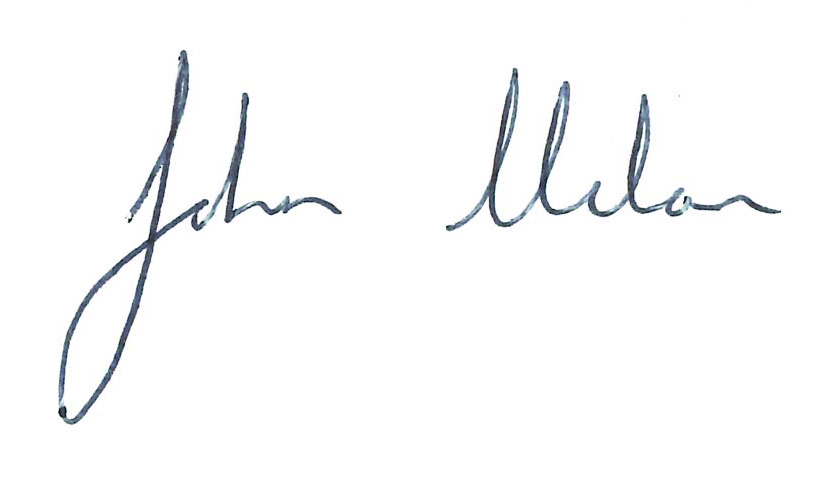
John E Whelan | Managing Director
Dated: 10th December 2025

 Facebook
 Youtube
 LinkedIn
 Instagram